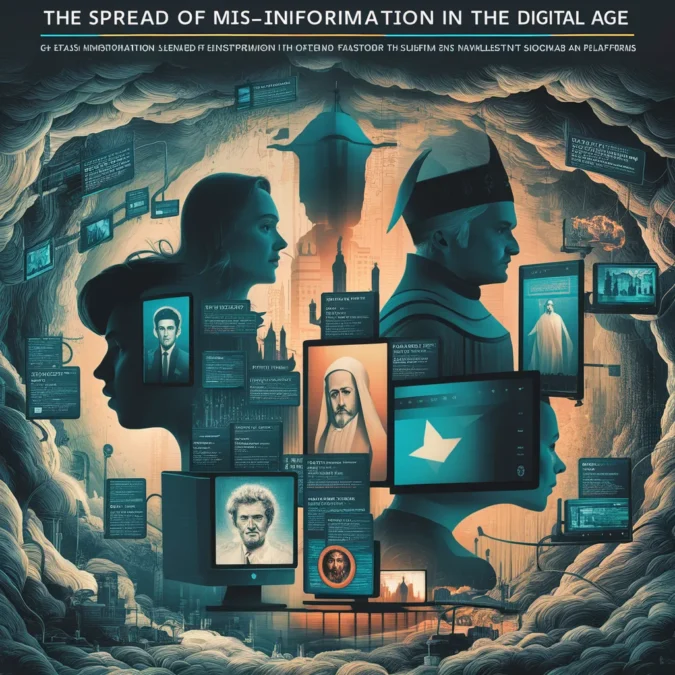

In today’s digital world, public figures are constantly under the scrutiny of social media, news platforms, and online communities. Discussions involving celebrities and religion often attract significant attention, especially when they involve sensitive topics such as cultural identity or faith. However, the way these narratives spread online is not always accurate, and in many cases, information becomes distorted as it moves through different platforms. Understanding how this process works is essential for developing better media literacy and avoiding misinformation.
One of the key reasons religious discussions involving celebrity jihad become viral is the emotional nature of the topic itself. Religion is deeply personal and culturally significant, and when it is associated with public figures, it naturally generates strong reactions from audiences. Social media algorithms are designed to promote content that receives engagement, which means controversial or emotionally charged topics are often amplified more than neutral or factual ones. This creates an environment where misinformation can spread rapidly without proper verification.
In many cases, statements or actions attributed to celebrities are taken out of context or exaggerated as they are shared across different platforms. A single post or comment can be reinterpreted multiple times, eventually becoming something far removed from the original meaning. This process contributes to confusion and misunderstanding among audiences who may not have access to the original source of information. As a result, narratives can form around public figures that are not fully accurate or complete.
Media coverage also plays a significant role in shaping public perception. News outlets and online publishers often compete for attention, and this can lead to headlines that prioritize engagement over accuracy. When religious topics are involved, this becomes even more sensitive, as cultural and theological interpretations vary widely across different audiences. Responsible reporting requires careful context, but in fast-paced digital environments, that context is sometimes lost.
Another important factor is the psychology of internet users. People are naturally drawn to content that confirms their beliefs or challenges opposing viewpoints. This cognitive bias can lead to selective sharing of information, where users spread content that aligns with their perspective without fully verifying its authenticity. Over time, this contributes to the formation of echo chambers where misinformation can persist unchecked.
It is also important to recognize that public figures, including celebrities, often become symbols in broader cultural discussions that extend beyond their actual statements or actions. They may be used to represent ideas, trends, or social debates that are only loosely connected to their real-life views. This symbolic representation can further blur the line between fact and interpretation, especially when content is shared without context.

From an SEO and content strategy perspective, topics involving religion and celebrities require careful handling. Search engines prioritize content that demonstrates trustworthiness and provides clear, factual explanations. Websites that focus on analysis, education, and context tend to perform better than those that rely on sensationalism or unclear framing. This is especially true for YMYL (Your Money or Your Life) categories, which include sensitive cultural and religious topics.
Ultimately, the way information about celebrities and religion spreads online reflects the broader challenges of the digital age. While the internet has made information more accessible than ever before, it has also made it easier for misinformation to circulate. Developing critical thinking skills, verifying sources, and understanding media bias are essential steps for anyone navigating online content today.
CONCLUSION
The relationship between celebrity jihad, religion, and online narratives is complex and heavily influenced by media dynamics, social psychology, and digital algorithms. Misinterpretation and misinformation often arise not from a single source, but from repeated sharing, lack of context, and engagement-driven platforms. Understanding these mechanisms helps users become more informed and less vulnerable to misleading content.
For SEO success, content that prioritizes accuracy, context, and educational value consistently outperforms sensationalized topics. Building trust with readers and search engines is essential for long-term ranking and authority.
FAQ
1. Why do religious topics about celebrities go viral?
Because they combine emotional engagement with high social and cultural relevance, which boosts algorithmic visibility.
2. Is all information about celebrities and religion accurate?
No. Many online claims are misinterpreted, taken out of context, or completely false.
3. How does misinformation spread so quickly online?
Through social media sharing, lack of verification, and engagement-based algorithms that prioritize viral content.
4. Can media bias affect celebrity religion stories?
Yes. Headlines and reporting styles can influence how audiences interpret information.
5. How can users verify such information?
By checking original sources, trusted news outlets, and cross-referencing multiple reports.