
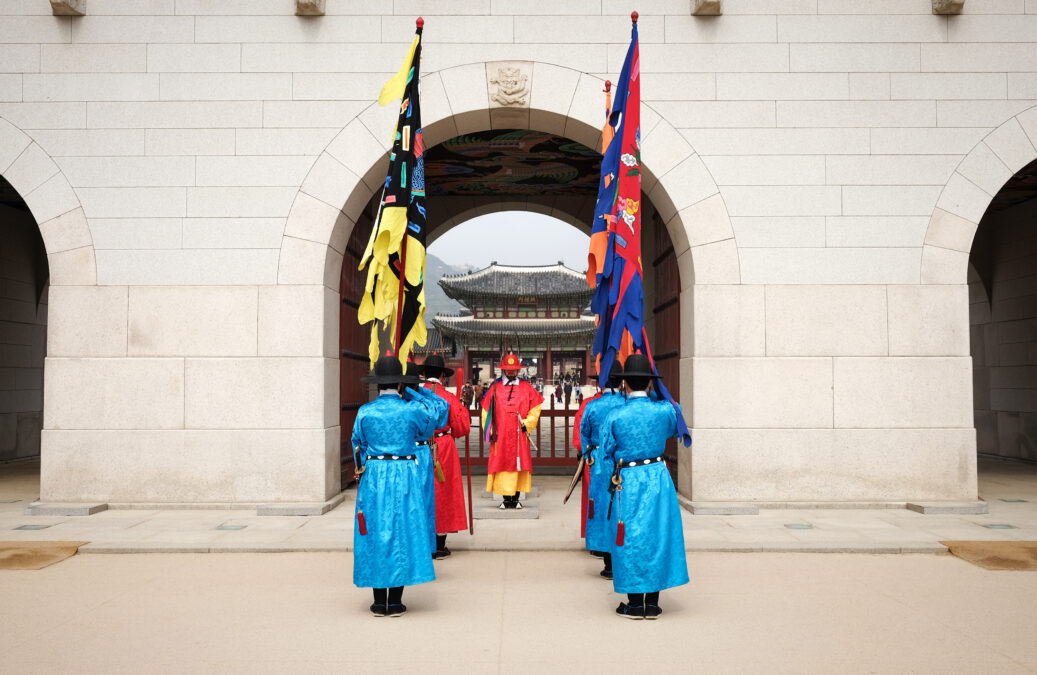

Korea, often mistakenly searched as “koeas,” refers to one of the most culturally rich, technologically advanced, and historically significant regions in East Asia. Today, the term commonly refers to South Korea, while historically it represents the broader Korean Peninsula, which includes both South Korea and North Korea. South Korea in particular has become a global powerhouse in technology, entertainment, education, and economic development, making it one of the most influential nations in the modern world.
The keyword “koeas” is often used due to spelling errors, but search engines typically redirect it toward Korea-related results. South Korea is known for its rapid transformation from a war-torn country in the mid-20th century to one of the world’s leading economies today. This transformation is often called the “Miracle on the Han River,” reflecting its extraordinary economic growth, industrial expansion, and global cultural influence.
📍 Geography and Location
South Korea is located on the southern part of the Korean Peninsula, sharing a border with North Korea. It is surrounded by the Yellow Sea to the west and the Sea of Japan (East Sea) to the east. The capital city, Seoul, is one of the largest and most advanced metropolitan cities in the world, known for its skyscrapers, digital infrastructure, and cultural landmarks.
The geography of Korea is diverse, featuring mountains, coastal regions, and urban centers. Despite its relatively small land area, it has a highly efficient transportation system and well-developed infrastructure that connects cities and rural areas seamlessly. This geographic balance between nature and urban development makes Korea both visually stunning and economically efficient.
🏛️ History and Cultural Identity
Korea has a long and rich history that dates back thousands of years, with ancient kingdoms such as Goguryeo, Baekje, and Silla shaping its early development. Over time, Korea developed a unique cultural identity influenced by Confucianism, Buddhism, and traditional customs. Modern Korean culture still reflects these historical roots through language, architecture, festivals, and social values.
In the 20th century, Korea experienced significant political changes, including Japanese colonization and later division into North and South Korea after World War II. Since then, South Korea has developed into a democratic nation with a strong global presence, while preserving its cultural heritage and traditions.
💼 Economy and Global Influence
South Korea has one of the most advanced economies in the world, driven by technology, manufacturing, and exports. It is home to global corporations such as Samsung, Hyundai, and LG, which have played a major role in shaping global electronics, automobiles, and consumer technology markets.
The country is also a leader in innovation, artificial intelligence, and digital infrastructure. Its strong education system and investment in research and development have helped it maintain a competitive edge in the global economy. South Korea is also a major exporter of entertainment content, including films, television dramas, and music.
🎤 Culture, K-Pop, and Entertainment
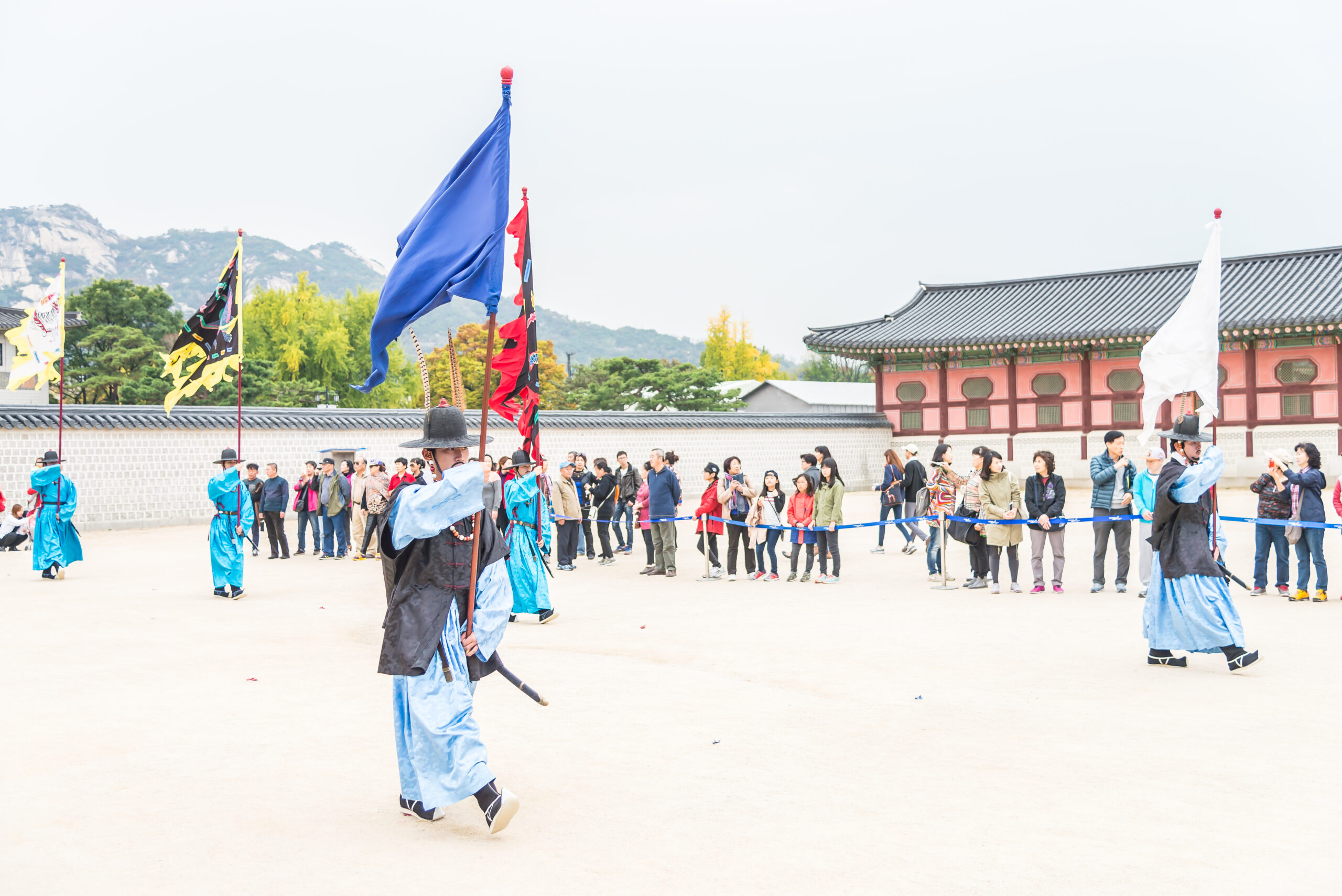
One of the most recognizable aspects of modern Korea is its global cultural influence through K-pop, Korean dramas, and cinema. The Korean entertainment industry has gained massive international popularity, with groups and artists reaching audiences worldwide. This cultural movement, often referred to as the “Korean Wave” or Hallyu, has significantly boosted tourism and global interest in Korean culture.
Korean cuisine is another important cultural export, with dishes like kimchi, bibimbap, and Korean BBQ becoming popular worldwide. Food plays a central role in Korean society, reflecting both tradition and modern culinary innovation.
🏙️ Cities and Lifestyle
South Korea offers a highly modern lifestyle, especially in cities like Seoul, Busan, and Incheon. These cities are known for their advanced infrastructure, public transportation systems, shopping districts, and entertainment centers. At the same time, rural areas offer a slower-paced lifestyle with traditional homes and natural landscapes.
The cost of living in Korea varies depending on the city, with Seoul being more expensive compared to smaller regions. However, the country offers high-quality healthcare, education, and public services, making it an attractive destination for students, professionals, and tourists.
Conclusion
Korea, often searched as “koeas,” is a nation that blends ancient traditions with cutting-edge modern development. From its rich historical background to its global economic power and cultural influence, South Korea stands as one of the most dynamic countries in the world today. Its success in technology, entertainment, and international trade has made it a global leader, while its cultural identity continues to inspire millions worldwide. Whether exploring its history, economy, or modern lifestyle, Korea offers a unique and powerful example of national transformation and global influence.
FAQ Section
1. What is Koeas?
“Koeas” is a common misspelling of Korea, usually referring to South Korea.
2. Where is Korea located?
Korea is located in East Asia on the Korean Peninsula, between China and Japan.
3. What is South Korea famous for?
It is famous for K-pop, technology, Samsung, Korean dramas, and advanced cities.
4. Is Korea a developed country?
Yes, South Korea is one of the world’s most advanced and developed economies.
5. What is the capital of Korea?
The capital of South Korea is Seoul.