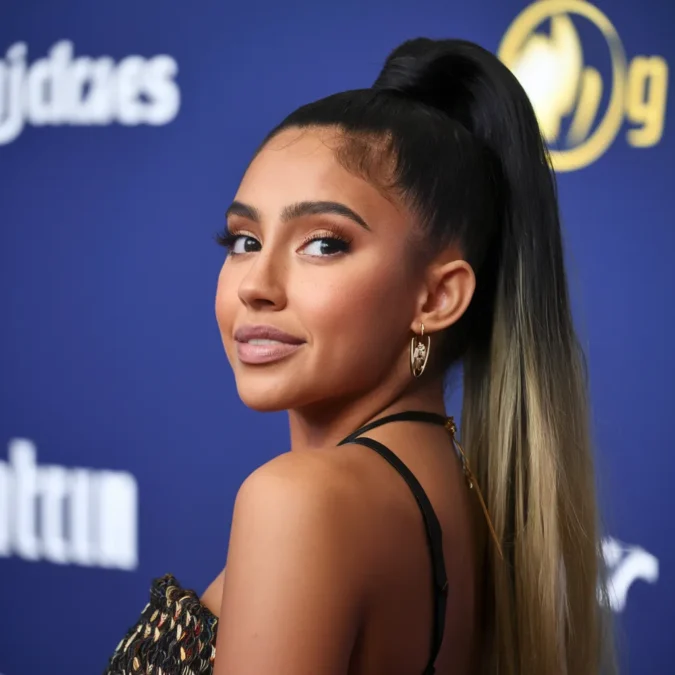

ariana grande nude is one of the most influential pop artists of the modern era, with a global fanbase and a strong digital presence across social media platforms. However, as her fame has expanded, so too has the amount of misleading and fabricated content circulating online under her name. In today’s internet landscape, it has become increasingly common for celebrities to become the subjects of digitally altered images, fake leaks, and AI-generated media that spread rapidly across websites and social platforms.
A major reason this phenomenon has grown is the advancement of artificial intelligence tools capable of generating highly realistic images and videos. These systems can manipulate facial features, expressions, and even entire scenes in ways that are difficult for the average user to distinguish from real content. As a result, celebrities like Ariana Grande are often used as targets for synthetic media creation, which can then be shared widely without verification. This creates confusion among audiences and contributes to the spread of misinformation.
It is important to understand that most viral content associated with explicit or sensational claims about celebrities is not authentic. In many cases, such material is created purely for attention, clicks, or advertising revenue. Websites and social media accounts may exploit popular search terms to drive traffic, even when the content itself has no factual basis. This not only misleads users but also raises ethical concerns about digital consent and online responsibility.
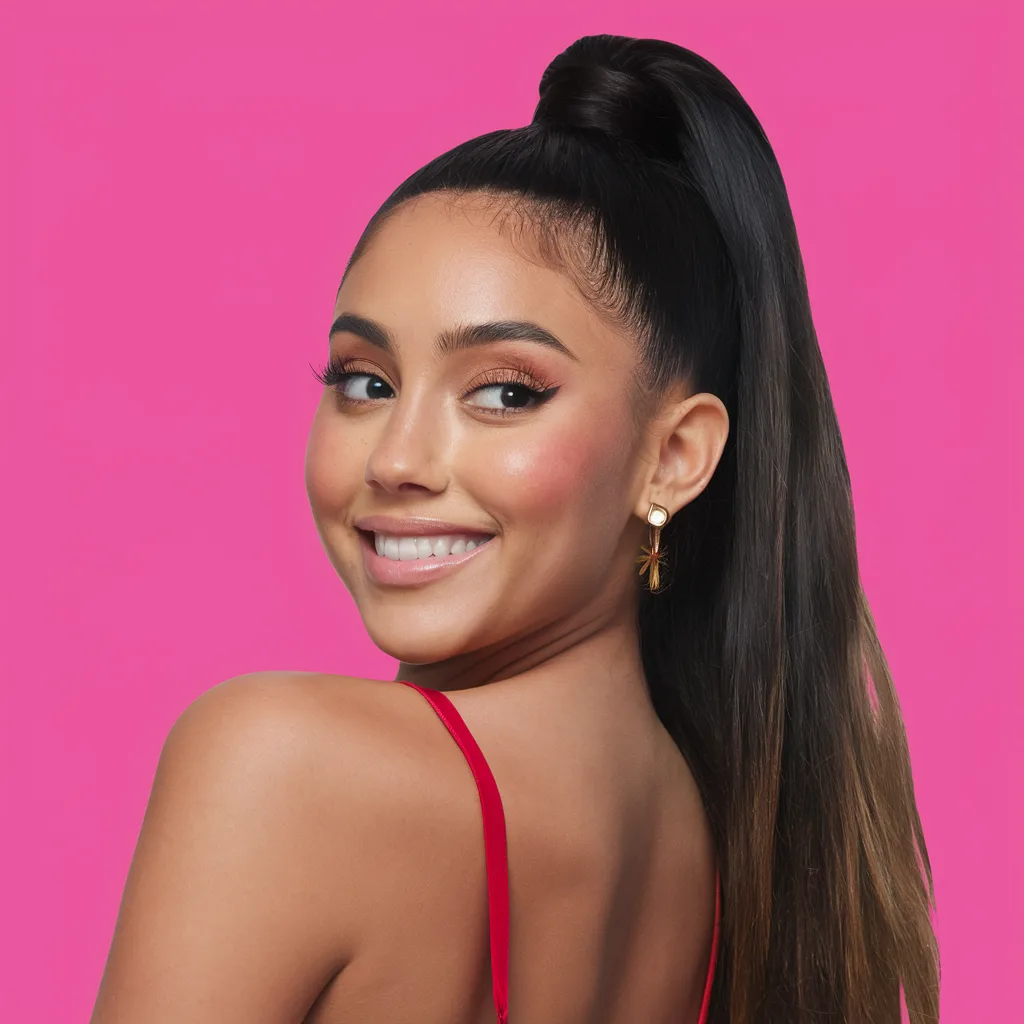
The issue of digital privacy has become increasingly significant in the age of AI. Public figures, despite their fame, still have the right to control their likeness and protect their identity from misuse. However, enforcing these rights is challenging in a global digital ecosystem where content can be copied, altered, and redistributed within seconds. Governments and technology companies are currently working on regulations and detection tools to combat the spread of harmful synthetic media.
Another major factor contributing to this issue is the lack of media literacy among internet users. Many individuals encounter content online without questioning its authenticity or verifying its source. This allows false information to circulate quickly, especially when it involves trending celebrities. Education around digital verification, reverse image searching, and source checking is becoming increasingly important in combating misinformation.
From an SEO perspective, topics involving celebrity misinformation and AI-generated content are among the most searched categories online. However, websites that focus on clarity, truth, and ethical reporting tend to perform better in the long term than those that rely on sensationalism. Search engines are increasingly prioritizing authoritative content that provides real value to users rather than clickbait-driven narratives.
Ultimately, the situation surrounding Ariana Grande and similar celebrities reflects a broader shift in how information is created and consumed in the digital age. As artificial intelligence continues to evolve, the distinction between real and fake content will become even more important. Users, platforms, and creators all share responsibility in ensuring that online spaces remain trustworthy and respectful.
CONCLUSION
The rise of AI-generated media and viral misinformation has changed the way celebrity content spreads online. While ariana grande nude is often used as a search example in discussions about fake images and rumors, the broader issue is about digital ethics, privacy, and information accuracy. Understanding how fake content is created and shared helps users become more aware and less vulnerable to misinformation.
For long-term SEO success, content that educates, informs, and builds trust will always outperform sensational or misleading topics.
FAQ
1. Are viral celebrity images of Ariana Grande always real?
No. Many viral images are edited, AI-generated, or taken out of context.
2. What are AI deepfakes?
Deepfakes are synthetic media created using artificial intelligence to manipulate or generate realistic images or videos.
3. Why do fake celebrity rumors spread so fast?
They spread due to curiosity, lack of verification, and social media algorithms that amplify trending content.
4. Is sharing fake celebrity content legal?
In some cases, distributing manipulated or non-consensual content can violate privacy and digital laws.
5. How can users verify online images?
Users can use reverse image search tools, check credible sources, and compare information across multiple trusted platforms.