


Table of Contents
ToggleElectronics has become one of the most important and rapidly growing fields in modern technology. From simple school science projects to advanced robotics, automation systems, and Internet of Things devices, electronic circuits are now a major part of everyday life. Whether someone is building a beginner Arduino project, testing sensors, designing a prototype, or experimenting with circuit boards, reliable electrical connections are essential for proper functionality. Among the most commonly used components in electronics prototyping are male to female jumper wires, which provide flexible and convenient connections between electronic modules, microcontrollers, breadboards, and circuit components.
Male to female jumper wires are especially popular because they allow quick and temporary connections without soldering. This makes them ideal for testing circuits, experimenting with designs, learning electronics, and developing prototypes before permanent assembly. Students, engineers, hobbyists, and professional developers use these jumper wires regularly because they simplify the process of connecting components in electronic systems.
Modern electronics projects often involve devices such as Arduino boards, Raspberry Pi systems, sensors, LEDs, displays, motors, and communication modules. Many of these components use header pins that require secure electrical connections during development and testing. Male to female jumper wires help bridge these connections efficiently, making them one of the most essential accessories in electronics laboratories and DIY workspaces.
Another reason male to female jumper wires are so widely used is affordability and versatility. They are inexpensive, reusable, easy to organize, and compatible with many common electronic components. Whether a person is a beginner learning circuit fundamentals or an experienced engineer building complex prototypes, jumper wires remain an important tool in electronics design and experimentation.
This article explores everything related to male to female jumper wires, including their structure, uses, importance in electronics, compatibility with Arduino projects, role in prototyping, advantages, types, and reasons why they are essential for modern circuit development.
What Are Male to Female Jumper Wires?
Male to female jumper wires are electrical connection wires designed with different connector ends. One side of the wire contains a male connector pin, while the other side contains a female socket connector. This design allows the wire to connect components with different interface types in electronic circuits and development boards.
The male side typically features a metal pin that can be inserted into breadboards, female headers, or electronic modules. The female side contains a socket designed to fit over male header pins commonly found on Arduino boards, sensors, displays, and other electronic devices. Together, these connectors create flexible temporary electrical pathways for signal transmission and power distribution.
Jumper wires are generally insulated with plastic coatings to protect against short circuits and electrical interference. They are available in multiple colors, helping users organize circuit connections more efficiently. Different colors are commonly used to distinguish between power, ground, and signal connections in complex electronic setups.
Male to female jumper wires are especially useful during circuit prototyping because they allow quick modifications without soldering. Users can easily remove, rearrange, or replace connections while testing and improving electronic designs.
The Importance of Jumper Wires in Electronics
Electronic circuits depend on reliable electrical connections to function properly. During the design and testing stages of development, engineers and hobbyists often need temporary connections that can be adjusted quickly. Male to female jumper wires solve this problem by providing simple and reusable connectivity between components.
One major advantage of jumper wires is flexibility. Traditional soldered connections are permanent and time-consuming to modify, while jumper wires allow rapid experimentation. This flexibility is extremely important for students learning electronics concepts because mistakes and adjustments are common during the learning process.
Jumper wires also improve efficiency in prototyping environments. Engineers developing new products frequently test multiple circuit configurations before finalizing designs. Instead of repeatedly soldering components, they can use jumper wires to connect modules quickly and safely.
Another important factor is compatibility. Male to female jumper wires work with a wide range of devices including microcontrollers, sensors, communication modules, displays, relays, servo motors, and breadboards. Their universal usefulness makes them essential tools for nearly every electronics workspace.
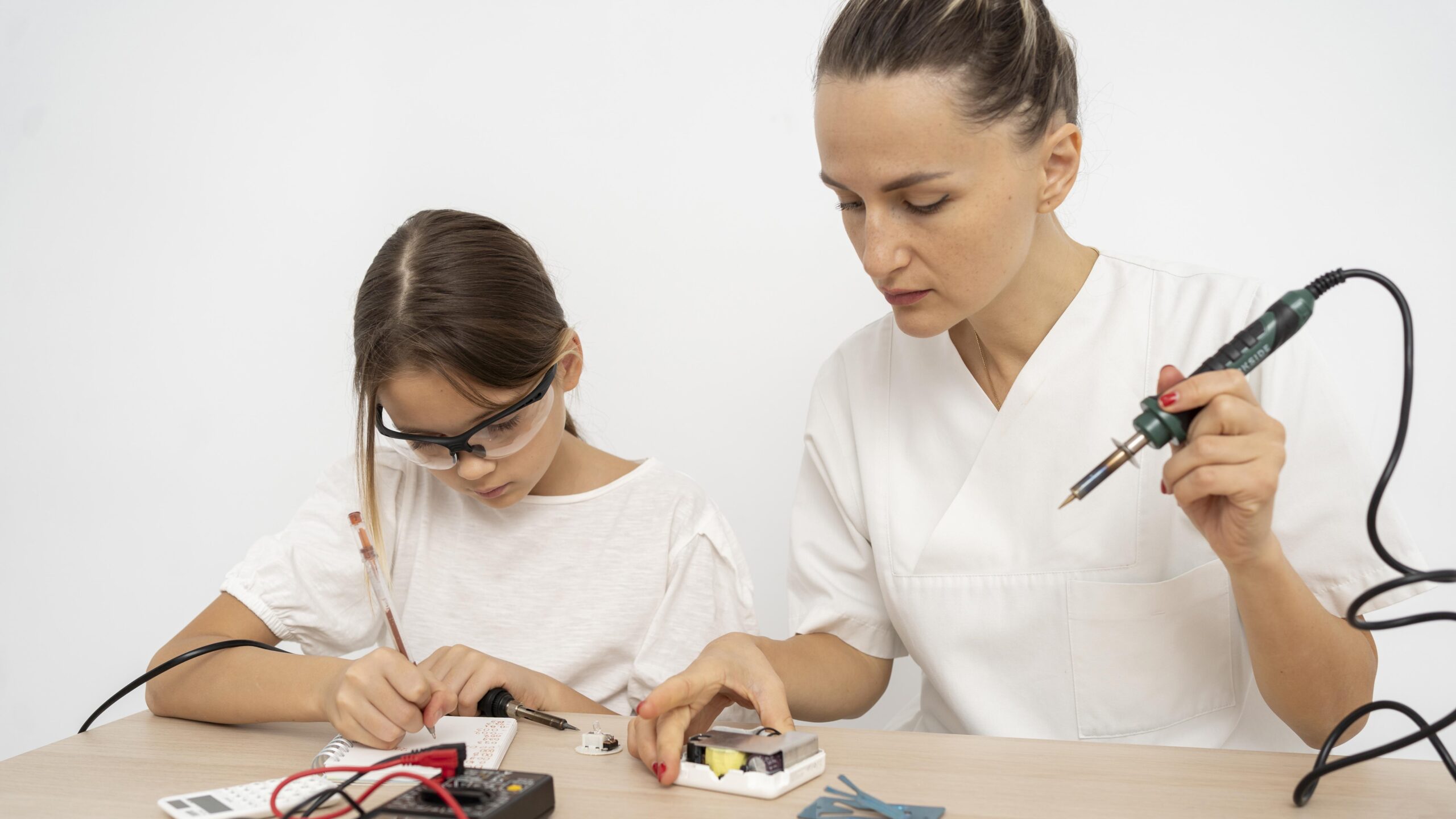
Male to Female Jumper Wires in Arduino Projects
Arduino platforms are among the most popular tools for electronics education, robotics, and DIY engineering projects. These boards are designed for easy hardware interfacing, and male to female jumper wires play a major role in connecting Arduino pins with external components.
For example, many sensors such as temperature sensors, ultrasonic modules, motion detectors, and Bluetooth modules include male header pins. A male to female jumper wire allows the female end to attach securely to the sensor while the male end connects directly into the Arduino board or breadboard.
This setup creates reliable temporary connections during experimentation and programming. Users can easily disconnect and reconnect components without damaging hardware, making development much more convenient.
Arduino beginners particularly benefit from jumper wires because they reduce complexity and allow quick learning. Instead of focusing immediately on soldering and advanced hardware assembly, beginners can concentrate on understanding programming logic, sensor integration, and circuit fundamentals.
The simplicity of jumper wires therefore contributes significantly to the accessibility and popularity of Arduino electronics education worldwide.
Breadboards and Circuit Prototyping
Breadboards are essential tools for building temporary electronic circuits without soldering. Male to female jumper wires work perfectly with breadboards because the male connector pins fit securely into breadboard holes while the female connectors attach to external devices or modules.
This combination creates highly flexible prototyping systems where users can build and modify circuits rapidly. Engineers often use breadboards and jumper wires together when testing new ideas, debugging circuits, or demonstrating electronic concepts.
One important advantage of breadboard prototyping is cost efficiency. Since no soldering is required, components can be reused repeatedly across multiple projects. Male to female jumper wires enhance this efficiency by simplifying the connection process between different hardware modules.
Students and educators also benefit from breadboard-based electronics because it encourages experimentation and hands-on learning. Learners can visualize circuit layouts directly and understand how electrical signals travel between components in real time.
Types of Jumper Wires
Jumper wires are available in several configurations depending on connector types. The three main categories are male to male, female to female, and male to female jumper wires.
Male to male jumper wires are commonly used for breadboard-to-breadboard connections because both ends contain pins. Female to female jumper wires are designed for connecting components that already have male header pins on both sides.
Male to female jumper wires are particularly versatile because they connect devices with different connector styles. This flexibility makes them extremely popular for Arduino modules, sensor boards, and prototyping systems.
Jumper wires also vary in length, thickness, material quality, and insulation durability. Higher-quality wires typically provide stronger electrical conductivity, better flexibility, and longer lifespan, which are important for professional electronics projects.
Advantages of Male to Female Jumper Wires
There are several reasons why male to female jumper wires remain essential in electronics development and education.
First, they simplify circuit assembly by allowing fast and solder-free connections between components. This convenience saves time and reduces the complexity of electronics experimentation.
Second, they are reusable. Users can disconnect and reorganize jumper wires multiple times without damaging components, making them ideal for prototyping and testing.
Third, they improve organization. Different colored wires help users identify connections more easily, reducing confusion in complex circuits.
Fourth, they support learning and creativity. Beginners can experiment freely with electronic designs without worrying about permanent mistakes or difficult assembly processes.
Finally, jumper wires are highly affordable and widely available, making them accessible tools for students, hobbyists, schools, and engineering professionals alike.
Applications of Male to Female Jumper Wires
Male to female jumper wires are used in many different electronic applications across education, engineering, robotics, and product development.
In robotics projects, jumper wires connect motors, sensors, and controllers to create intelligent systems capable of movement and automation. In IoT projects, they connect communication modules such as Wi-Fi and Bluetooth devices to microcontrollers.
Educational laboratories use jumper wires extensively for electronics training because students can assemble circuits safely and efficiently. Product developers also rely on jumper wires when building early prototypes for consumer electronics, automation systems, and embedded devices.
Home automation, smart sensors, wearable technology, and DIY electronics projects all commonly depend on jumper wire connections during development stages.
Conclusion
Male to female jumper wires are among the most essential tools in modern electronics development, education, and prototyping. Their ability to create quick, reliable, and reusable electrical connections makes them invaluable for Arduino projects, breadboard experiments, robotics systems, IoT devices, and electronic circuit design.
The popularity of jumper wires reflects the growing importance of hands-on electronics learning and rapid prototyping in today’s technology-driven world. Students, hobbyists, engineers, and developers all benefit from the simplicity, flexibility, and affordability these wires provide.
As electronics technology continues advancing, prototyping and experimentation will remain critical parts of innovation. Male to female jumper wires will therefore continue serving as foundational components that support creativity, learning, and engineering development across countless electronic applications worldwide.
Frequently Asked Questions (FAQ)
What are male to female jumper wires?
Male to female jumper wires are electrical connection wires with a male pin on one end and a female socket on the other end used for electronic circuits and prototyping.
Why are male to female jumper wires important?
They provide fast, reusable, and solder-free connections between electronic components, sensors, breadboards, and development boards.
Are male to female jumper wires used with Arduino?
Yes, they are commonly used with Arduino boards to connect sensors, modules, displays, and other electronic devices.
What is the difference between male to male and male to female jumper wires?
Male to male wires have pins on both ends, while male to female wires have a pin on one side and a socket on the other side.
Can beginners use jumper wires easily?
Yes, jumper wires are beginner-friendly and widely used in electronics education because they simplify circuit building and experimentation.
Are jumper wires reusable?
Yes, jumper wires are reusable and can be connected or disconnected multiple times without permanent assembly.