
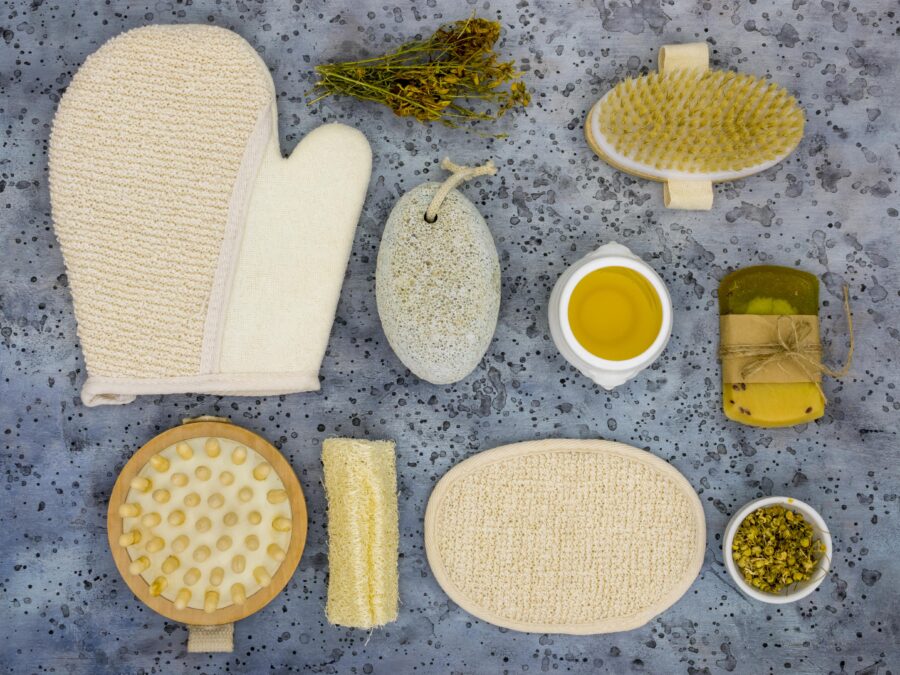

The Loofah is one of the most popular and recognizable natural exfoliating products used in bathrooms around the world. Commonly associated with skincare and shower routines, loofahs are valued for their ability to cleanse, exfoliate, and refresh the skin. However, many people are surprised to learn that a loofah is not originally a synthetic bath product but actually comes from a tropical plant related to cucumbers and squash. Over time, the dried fibrous interior of the mature loofah fruit became widely used as a natural sponge for personal care, cleaning, and household purposes. Today, loofahs remain highly popular because they combine natural materials, skincare benefits, and eco-friendly appeal. This article explores the history, uses, benefits, cleaning methods, skincare advantages, and cultural significance of the loofah in detail.
What is a Loofah?


A Loofah is a fibrous material that comes from the mature fruit of plants belonging to the Luffa genus. These tropical vines are members of the gourd family and are commonly grown in warm climates around the world.
When harvested young, loofah fruits can be eaten as vegetables in many Asian cuisines. However, when the fruit fully matures and dries, its interior develops a dense network of fibrous tissue. After the skin and seeds are removed, the remaining fibrous structure becomes the familiar natural sponge used for bathing and cleaning.
Because loofahs are biodegradable and plant-based, they are often considered environmentally friendly alternatives to synthetic sponges and plastic exfoliating products.
History and Origins of the Loofah
The loofah plant has been cultivated for centuries in regions of Asia, Africa, and the Middle East. Historical records show that people used loofahs both as food and as natural cleaning tools long before modern bath products became common.
In countries such as China, India, and Egypt, loofah plants were traditionally grown in home gardens because of their versatility. The edible young fruits were used in cooking, while mature loofahs provided natural scrubbing tools for bathing and household cleaning.
As international trade and global skincare trends expanded, loofahs became popular in Europe and North America as part of spa culture, wellness routines, and natural beauty practices.
Benefits of Using a Loofah
One of the primary reasons people use loofahs is for exfoliation. Exfoliation helps remove dead skin cells from the surface of the skin, promoting smoother texture and improved appearance. Gentle scrubbing with a loofah may also help stimulate circulation and create a refreshing sensation during bathing.
Loofahs can improve the effectiveness of soaps and body washes by helping create rich lather and spreading cleansing products evenly across the skin. Many people enjoy the invigorating feeling that loofahs provide during showers and spa treatments.
Another important advantage is sustainability. Because natural loofahs are biodegradable and renewable, they appeal to consumers seeking environmentally friendly alternatives to plastic bath products.
Different Types of Loofahs


There are generally two main categories of loofahs available today: natural loofahs and synthetic loofahs.
Natural Loofahs
Natural loofahs come directly from dried loofah plants. They are rougher in texture and preferred by people seeking eco-friendly skincare products and stronger exfoliation.
Synthetic Loofahs
Synthetic loofahs are usually made from plastic mesh materials. These products are softer and often create more soap lather, but they are less environmentally sustainable compared to natural alternatives.
Some people prefer natural loofahs for their organic feel and sustainability, while others choose synthetic versions because they are softer and dry more quickly.
How to Use a Loofah Properly
Using a loofah is relatively simple, but proper technique helps maximize hygiene and skin benefits. Most people wet the loofah first, apply soap or body wash, and gently scrub the skin using circular motions.
It is important not to scrub too aggressively, especially for people with sensitive skin. Excessive exfoliation can irritate the skin barrier and lead to dryness or redness.
Loofahs are commonly used on arms, legs, shoulders, and back areas where dead skin buildup is more common. However, many dermatologists recommend avoiding very delicate or irritated skin areas.
Cleaning and Replacing a Loofah
One of the biggest concerns with loofahs is hygiene. Because loofahs retain moisture, they can become breeding grounds for bacteria, mold, and fungi if not cleaned and dried properly.
After each use, the loofah should be rinsed thoroughly and hung in a dry, ventilated area. Some people disinfect their loofahs regularly using diluted vinegar solutions or hot water cleaning methods.
Experts generally recommend replacing natural loofahs every three to four weeks and synthetic loofahs every two months, depending on use and cleanliness.
Loofahs in Skin Care and Wellness Culture
The popularity of loofahs has increased alongside modern wellness and self-care trends. Spa culture, skincare routines, and natural beauty movements have all contributed to renewed interest in exfoliation tools.
Many skincare enthusiasts believe regular exfoliation helps improve skin appearance by promoting smoother texture and brighter skin tone. Although dermatologists emphasize moderation, loofahs remain common tools in beauty and personal care routines worldwide.
Natural loofahs also align with eco-conscious lifestyles because they reduce dependence on disposable plastic products.
Growing a Loofah Plant


Many gardeners grow loofah plants at home because they are both decorative and practical. Loofah vines thrive in warm climates with plenty of sunlight and require a long growing season.
The plants produce large green fruits that resemble cucumbers. When harvested young, they can be cooked and eaten as vegetables. If left to mature and dry, the fruits develop the fibrous texture used for natural sponges.
Growing loofahs has become increasingly popular among people interested in sustainable living and home gardening.
Potential Risks of Using a Loofah
Although loofahs provide exfoliation benefits, improper use may create skin or hygiene problems. Over-scrubbing can irritate sensitive skin, and unclean loofahs may harbor bacteria.
People with eczema, open wounds, or highly sensitive skin should consult skincare professionals before using rough exfoliating tools regularly. Proper cleaning and replacement are essential for maintaining safe use.
Conclusion
The Loofah is far more than a simple bath accessory. Originating from a tropical plant with centuries of cultural and practical history, the loofah has become an important part of modern skincare, wellness, and eco-friendly living. Its ability to exfoliate the skin, support cleansing routines, and provide sustainable alternatives to synthetic products continues making it popular worldwide. Whether used for bathing, household cleaning, gardening, or natural beauty routines, the loofah remains a fascinating example of how natural materials can serve both practical and personal care purposes in everyday life.
Frequently Asked Questions (FAQ)
1. What is a loofah made from?
A natural loofah comes from the dried fibrous interior of the Loofah plant.
2. Are loofahs good for skin?
Yes, they help exfoliate dead skin cells and improve cleansing when used gently.
3. How often should you replace a loofah?
Natural loofahs are generally replaced every three to four weeks for hygiene purposes.
4. Can you eat a loofah plant?
Yes, young loofah fruits are edible and commonly used in some Asian cuisines.
5. Are natural loofahs better than synthetic ones?
Natural loofahs are biodegradable and eco-friendly, while synthetic versions are usually softer and longer-lasting.