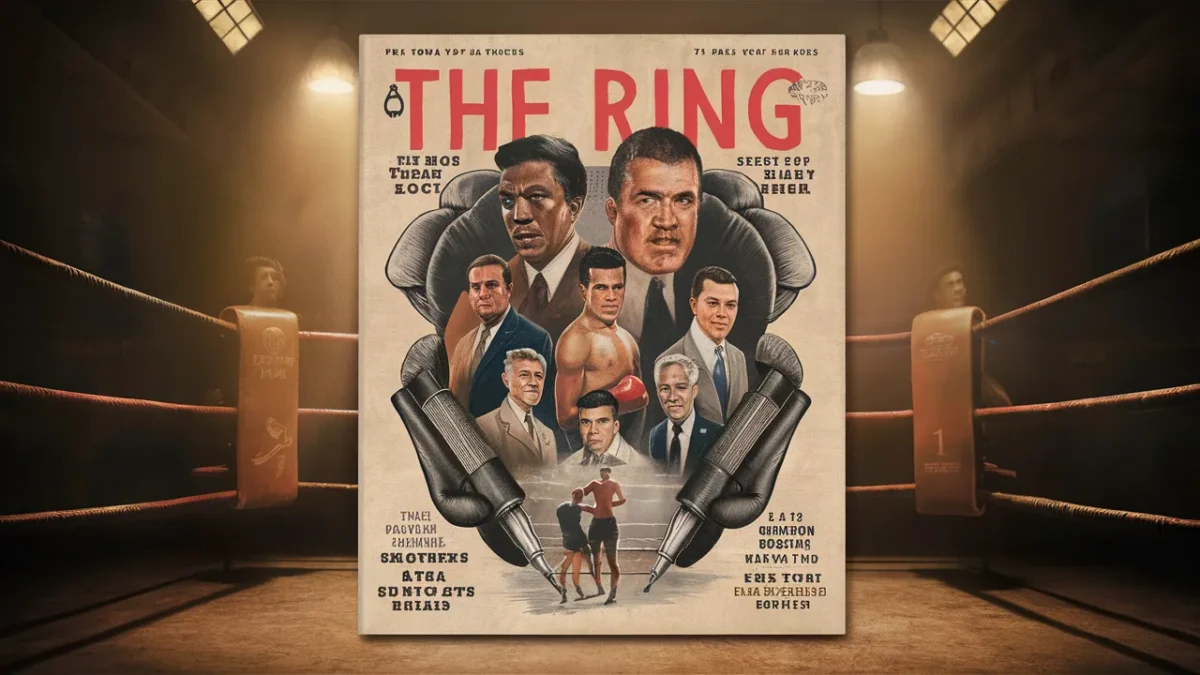

Boxing remains one of the most iconic and historically significant sports in the world because it combines athletic skill, strategic intelligence, physical endurance, emotional storytelling, and unforgettable rivalries into a unique form of competition. Throughout history, boxing has produced legendary champions, global sporting events, and cultural moments that continue influencing modern sports entertainment worldwide. Alongside the growth of boxing itself, sports journalism also evolved into an essential part of the industry by helping fans stay informed about fighters, rankings, title fights, training camps, and championship history. Among the most respected names in combat sports journalism, The Ring remains one of the most influential boxing publications ever created.
Often referred to as “The Bible of Boxing,” The Ring earned worldwide respect because of its trusted rankings, in-depth fight analysis, historical coverage, and commitment to preserving boxing culture. Long before social media and digital news platforms became dominant, boxing fans relied heavily on magazines, newspapers, and television broadcasts for updates regarding championship fights and rising contenders. The Ring became one of the primary sources of reliable information within the sport and helped shape public understanding of boxing history.
The development of digital technology dramatically changed how sports audiences consume information. Modern fans now access boxing news instantly through websites, mobile applications, podcasts, streaming platforms, and social media discussions. Despite these technological changes, The Ring continues maintaining strong authority because of its historical credibility and respected rankings system.
One major reason boxing journalism remains important is that combat sports involve far more than simple wins and losses. Fans want deeper understanding of tactics, fighter psychology, conditioning, rivalries, and championship significance. High-quality sports journalism helps audiences appreciate the technical and emotional aspects of boxing while also preserving the legacy of legendary fighters.
Another important factor is historical documentation. Boxing history includes iconic rivalries, controversial decisions, dramatic knockouts, and legendary champions who influenced sports culture globally. Publications such as The Ring help preserve these moments for future generations of fans and historians.
This article explores everything related to Ring Magazine, including its history, role in boxing journalism, influence on rankings, contribution to combat sports culture, digital transformation, legendary fighters, and future relevance within modern sports media.
The History of Ring Magazine
The Ring was founded in 1922 and quickly became one of the most respected publications in combat sports journalism. During the early twentieth century, boxing experienced massive popularity because heavyweight championships and major title fights attracted worldwide public attention.
The magazine became famous for its detailed reporting, expert analysis, and independent rankings. Fans trusted The Ring because it focused on boxing quality and competitive merit rather than promotional interests or sensational headlines.
One of the publication’s most important contributions involved establishing respected rankings across weight divisions. In boxing, multiple sanctioning organizations often created confusion by recognizing different champions. The Ring rankings therefore became valuable because they aimed to identify the true top fighters within each division.
Over the decades, the magazine documented the careers of legendary fighters including:
- Muhammad Ali
- Joe Louis
- Mike Tyson
- Sugar Ray Leonard
- Manny Pacquiao
- Floyd Mayweather Jr.
These athletes helped shape boxing history while increasing public interest in combat sports journalism worldwide.
Why Ring Magazine Became So Influential
Several important factors contributed to the long-term success and influence of The Ring within global boxing culture.
Trusted Rankings
The Ring became famous for its independent fighter rankings, which many fans considered more credible than promotional championship titles. The rankings focused on actual performance and competition quality.
Detailed Fight Analysis
The publication offered in-depth coverage of tactics, training methods, fighter psychology, and championship implications. This analytical approach helped audiences better understand boxing strategy.
Historical Preservation
The Ring documented legendary moments, rivalries, and champions throughout boxing history, creating one of the most important archives within combat sports journalism.
Championship Recognition
Winning a Ring Magazine championship belt became highly prestigious because it represented recognition from respected boxing journalists and analysts.
Ring Magazine and Boxing Rankings
Rankings play an extremely important role in boxing because they influence championship opportunities, public perception, and fighter reputations. However, boxing often experiences confusion because multiple organizations recognize different champions in the same weight division.
The Ring became respected because its rankings aimed to identify the true best fighters regardless of promotional politics.
Fans often trust independent rankings because they provide clearer understanding of competitive hierarchies and championship legitimacy.
Another reason rankings remain important is historical comparison. Boxing fans frequently debate how modern champions compare to legendary fighters from previous generations.
The Ring’s rankings therefore continue shaping discussions regarding boxing greatness and pound-for-pound competition.
Boxing Journalism in the Digital Era
The digital era transformed sports journalism completely by changing how audiences access information and interact with media platforms. Traditional journalism focused heavily on newspapers and print magazines, while modern audiences consume sports content through websites, streaming platforms, podcasts, and social media.
The Ring adapted successfully to this transformation by expanding online coverage while maintaining historical authority and credibility.
Modern boxing fans expect:
- Real-time fight updates
- Rankings
- Video analysis
- Fighter interviews
- Predictions
- Social media interaction
Mobile technology especially changed audience behavior because fans now follow live fight discussions directly through smartphones and digital platforms.
Search engine optimization also became highly important because sports websites compete heavily for online visibility related to championship fights and boxing news.
Legendary Fighters Featured in Ring Magazine
Throughout its history, The Ring featured many of the greatest athletes in combat sports history.
Muhammad Ali
Muhammad Ali became one of the most influential athletes ever because of his charisma, social impact, and extraordinary fighting ability.
Mike Tyson
Mike Tyson dominated heavyweight boxing with explosive knockout power and unmatched aggression during his prime years.
Manny Pacquiao
Manny Pacquiao earned global respect by winning championships across multiple weight divisions.
Floyd Mayweather Jr.
Floyd Mayweather Jr. became famous for defensive mastery, undefeated records, and massive pay-per-view success.
These legendary fighters contributed significantly to boxing’s global popularity and media visibility.
The Impact of Technology on Boxing Media
Technology continues reshaping sports journalism through artificial intelligence, mobile accessibility, live streaming, and multimedia storytelling. Modern boxing audiences expect fast updates and seamless digital experiences across multiple devices.
Artificial intelligence increasingly influences content recommendations by suggesting articles, interviews, and fight analysis based on user interests.
Cloud computing and streaming technology also improved accessibility by allowing sports content to reach global audiences instantly.
Social media platforms transformed audience interaction because fans now discuss rankings, controversial decisions, and predictions immediately after events conclude.
Data analytics further improved fight analysis through advanced statistics involving punch accuracy, defensive performance, and fighter efficiency.
The Future of Ring Magazine
The future of The Ring will likely involve continued expansion into digital journalism, video analysis, podcasting, and multimedia sports coverage.
Modern audiences increasingly prefer interactive and personalized media experiences. Video content, live discussions, and social media engagement are therefore expected to continue growing.
Virtual reality and augmented reality technologies may eventually create immersive boxing experiences where fans interact with live fight environments digitally.
Despite technological advancements, trusted journalism and historical expertise will remain valuable because audiences continue seeking credible boxing analysis and rankings.
As long as boxing maintains international popularity, The Ring will likely remain an influential voice within combat sports culture.
Conclusion
The Ring remains one of the most respected and historically important publications in combat sports journalism. For more than a century, it has influenced boxing culture through trusted rankings, detailed fight analysis, historical preservation, and championship recognition.
The rise of digital media transformed sports journalism dramatically, yet The Ring continues maintaining relevance by adapting to modern technologies while preserving its journalistic legacy and credibility.
Boxing fans worldwide continue relying on rankings, interviews, analysis, and expert commentary to better understand the sport’s evolving landscape. As digital technology continues advancing through artificial intelligence, multimedia storytelling, and live streaming, boxing journalism will likely become even more interactive and globally accessible.
Ring Magazine ultimately represents the enduring relationship between boxing history, sports journalism, and modern digital media culture.
Frequently Asked Questions (FAQ)
What is Ring Magazine?
Ring Magazine is one of the most famous boxing publications known for rankings, fight analysis, and combat sports journalism.
Why is Ring Magazine called “The Bible of Boxing”?
It earned this nickname because of its respected rankings, historical credibility, and influence within boxing culture.
Does Ring Magazine only cover boxing?
Yes, The Ring mainly focuses on boxing news, rankings, fighters, and championship coverage.
Why are Ring Magazine rankings respected?
They are respected because they aim to identify the best fighters based on performance rather than promotional interests.
How has digital technology changed boxing journalism?
Digital technology improved accessibility, speed, audience interaction, and multimedia storytelling in sports media.
Is Ring Magazine still relevant today?
Yes, Ring Magazine remains highly influential because of its historical authority, expert analysis, and continued coverage of major boxing events.